 Concrete contractors · Iowa City, IA
We pour and repair concrete in Iowa City, Coralville, North Liberty, and throughout the area.
Get my free quoteConcrete work in Iowa City takes more than a mixer and a trowel. Our clay-heavy soil shifts when it gets wet and shrinks when it dries. Add in 100-plus freeze-thaw cycles every winter and you get driveways that crack, patios that sink, and basement floors that heave. We work with these conditions every day and know how to build flatwork that holds up.
The homes around Longfellow and Goosetown were built in the 1910s through 1940s. Many still have original sidewalks and driveways that have settled over decades of soil erosion. Newer neighborhoods like Windsor Ridge and Lucas Farms deal with fill soil that compresses under load. Whether your concrete is 80 years old or 8, we can level what has sunk and replace what is too far gone.
We handle driveways, patios, sidewalks, garage floors, basement floors, steps, and foundation work. Every job starts with proper grading and compacted base, because the ground under your slab matters more than the concrete itself. We have poured slabs through Iowa City winters and can tell you what works and what does not.
New pours and full replacements for residential driveways. We excavate to stable soil, build a compacted gravel base, and pour 4 to 6 inches of reinforced concrete designed to handle freeze-thaw stress.
Poured patios, front walks, and sidewalks that drain properly and resist settling. We slope every surface away from your foundation and control-joint the slab to manage cracking.
Mudjacking and slabjacking to lift sunken driveways, sidewalks, and patio slabs. This works well when the concrete itself is still solid but the soil underneath has washed out or compressed.
Interior slabs for garages, basements, and workshops. We pour over vapor barrier and compacted stone to keep moisture from wicking up through the slab.
Front steps, back stoops, and exterior stairs that tie into your foundation correctly. Proper footings below frost line keep steps from pulling away from the house.
Foundation walls, footings, and structural repairs for homes dealing with clay soil movement. We also patch cracks, seal joints, and fix spalling before it spreads.
The clay-rich glacial till under Iowa City expands when wet and contracts when dry. We account for that movement with proper base prep, compaction, and reinforcement on every job.
Iowa City sees over 100 freeze-thaw cycles per winter. We use air-entrained concrete, proper joint spacing, and drainage details that reduce the damage freezing water can do to a slab.
We look at the site before we quote the job. You get a written estimate that includes excavation, base material, concrete thickness, reinforcement, and finishing. No surprises when the bill comes.
We have poured driveways in Manville Heights, patios in Shimek, and basement floors near Coralville. Ask us for references in your neighborhood.
Iowa City sits on glacial till with high clay content, some of the most expansive soil in eastern Iowa. The soil composition here runs about 61 percent silt, 26 percent clay, and 13 percent sand. When spring rains hit or the ground saturates from snowmelt, that clay swells and pushes upward. When summer heat dries it out, it shrinks and leaves voids under slabs. Every concrete surface in Johnson County deals with this cycle. Proper base preparation and drainage are not optional here, they are the only way to keep flatwork from cracking and settling within a few years.
Winters bring the bigger challenge. Iowa City averages over 100 freeze-thaw cycles per season, with temperatures swinging above and below 32 degrees from November through April. The median first freeze hits around October 18, and the last freeze clears near April 21. Water trapped in cracks or under slabs freezes, expands, and forces concrete to heave or crack. Older neighborhoods like Northside, Longfellow, and Goosetown have homes built in the early 1900s, and decades of freeze-thaw have taken a toll on original driveways and walks. The Iowa River adds groundwater pressure in low-lying areas near downtown and the Peninsula neighborhood. Permits for concrete work over a certain size require a call to the city, and all pours need proper inspection if they are part of new construction or major remodeling.
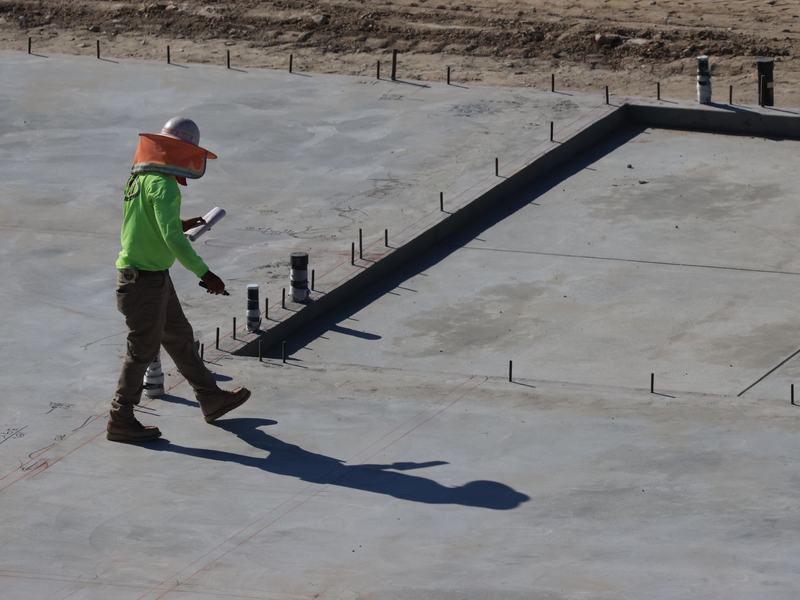
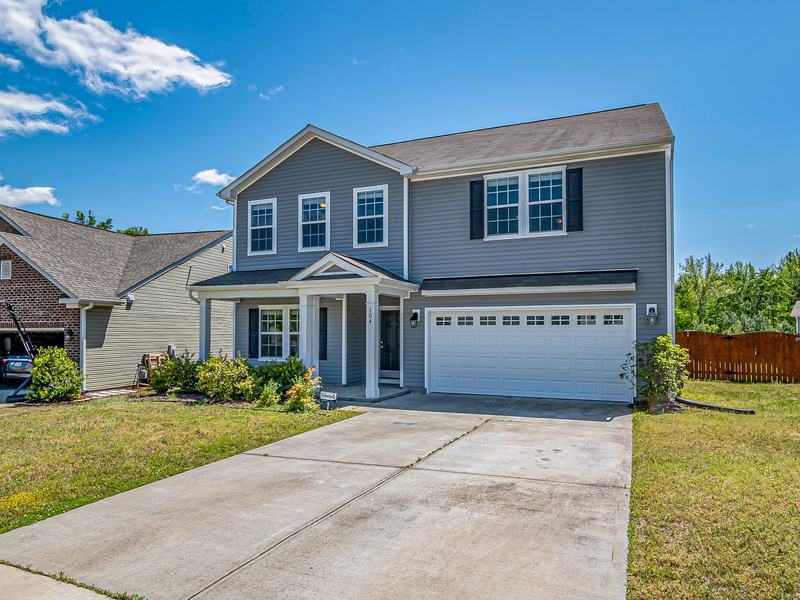
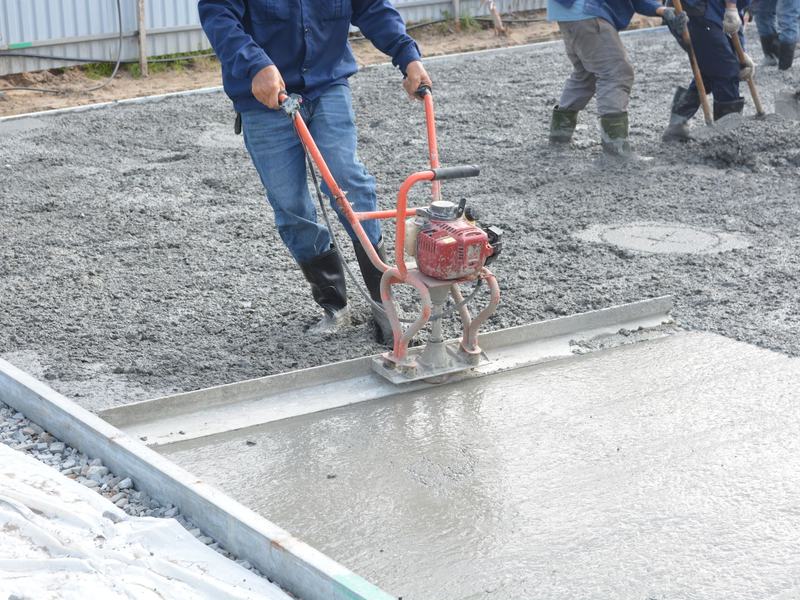
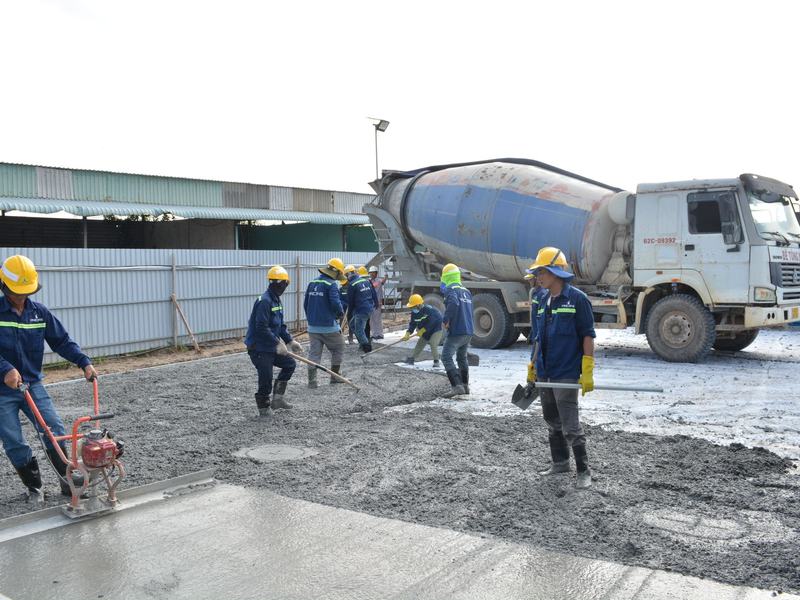
A typical driveway replacement in Iowa City runs between $6 and $10 per square foot, depending on thickness, reinforcement, and site access. A basic 400-square-foot driveway costs around $2,400 to $4,000. Patios and walkways run $7 to $12 per square foot for standard broom finish. Decorative stamped or colored concrete adds $3 to $6 per square foot. Concrete leveling costs less, typically $4 to $8 per square foot to mudjack sunken slabs. Garage floors and basement slabs run $5 to $9 per square foot depending on whether we are pouring over existing substrate or excavating and building base from scratch. Prices go up if we have to remove old concrete, haul in extra base material for poor soil, or work in tight access areas where a concrete truck cannot reach. Winter pours cost more due to the need for heated enclosures and blankets. Every job is different, so the best way to know what your project will cost is to have us come out and look at it.
Based around Iowa City, IA, we also take jobs in these nearby towns. Put your town on the form and we will tell you right away if we can help.
We pour residential driveways at least 4 inches thick, and 5 to 6 inches if you park heavy trucks or RVs. The clay soil here and constant freeze-thaw cycles require thicker slabs with proper reinforcement. A thin driveway will crack within a couple of years.
Late spring through early fall, when overnight temperatures stay above 40 degrees. Concrete needs time to cure without freezing. We can pour in colder weather with insulated blankets and heaters, but it costs more and takes longer.
The clay soil under Iowa City compresses and washes out over time, leaving voids under the slab. Spring rains and years of freeze-thaw erode the base material. We can lift sunken slabs with mudjacking if the concrete is still in good shape, or replace it if the slab itself has failed.
It depends on the size and whether you are changing the footprint or drainage. Smaller replacements often do not need a permit, but larger pours or work that affects stormwater runoff will. We can help you figure out what the city requires.
Wait at least 7 days before driving on a new driveway, and longer if the weather is cool or wet. Concrete reaches about 70 percent of its strength in 7 days and full strength in 28 days. Walking on it after 24 to 48 hours is usually fine.
New concrete will always look lighter than old concrete that has weathered for years. We can get close with colored mix or stain, but an exact match is tough. Most people either replace the whole area or accept that new sections will look newer for a while.
Tell us what you need and where. We usually reply within one business day. A photo helps us give you a faster, more accurate quote.
No obligation and no pressure.
 IOWA CITY